Governance & Legal Defence
Governance, Audit Readiness And 231 Defence
Governance design, evidence discipline and defensive structure for customs and trade-related exposure.
Why governance matters before the audit starts
Audit defence in customs and trade matters is rarely created at the moment of challenge. It is created earlier, when approval rights, evidence discipline, escalation thresholds and management visibility are built into the operating model.
This is why the page should not read as a narrow litigation note. Governance, compliance audit readiness and 231-style defensive structure all sit inside the same client problem: how to prove that customs decisions, broker instructions and high-risk trade choices were governed rather than improvised.
CSA Nexus frames this work around operating governance, evidence quality and legal defensibility. The objective is to reduce the gap between daily execution and the record a company will later need in front of management, auditors or an authority-facing challenge.
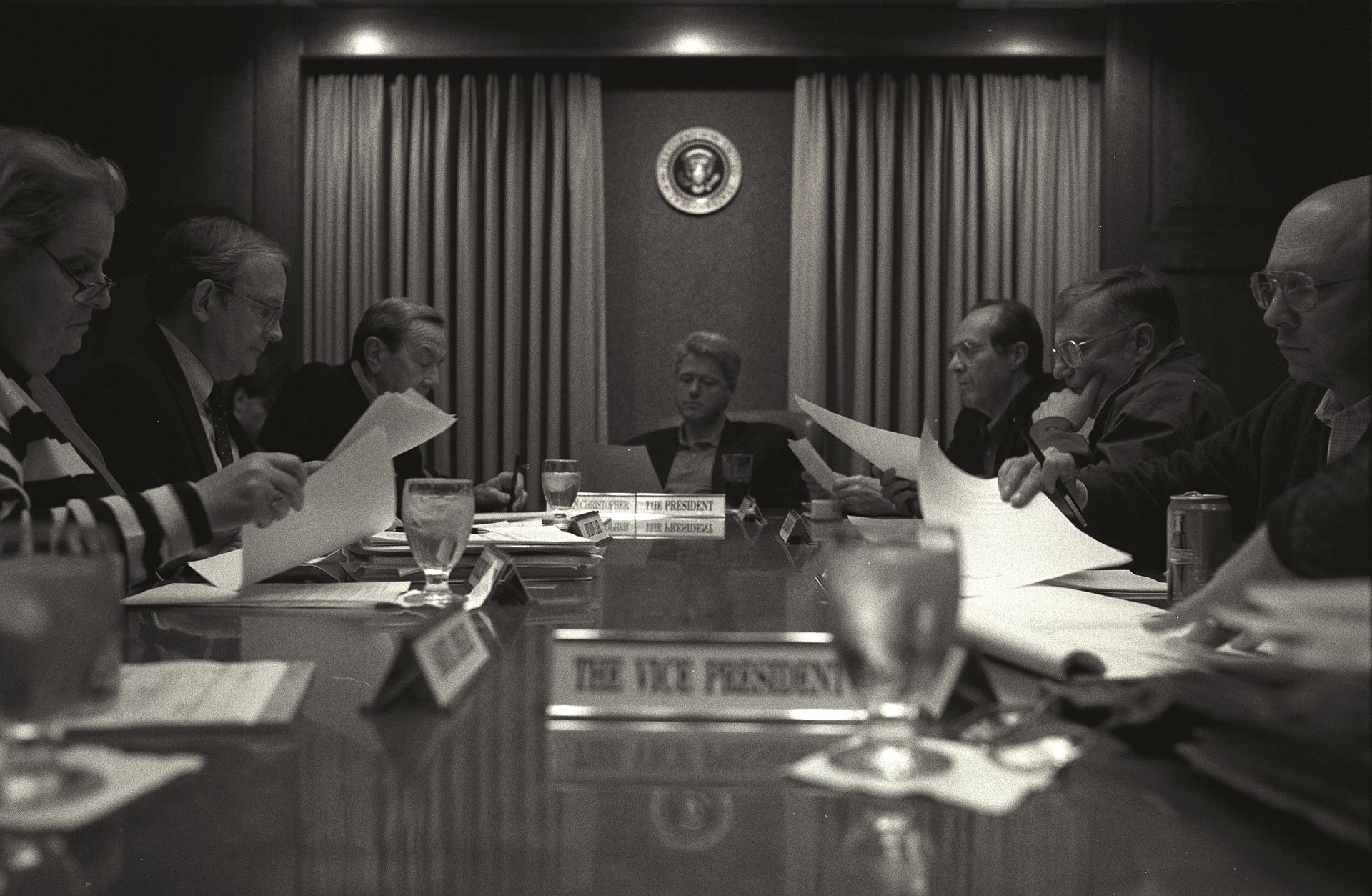
Audit readiness becomes credible when review, escalation and record quality are visible.
The image support now matches the page brief more closely: committee-level oversight, decision papers and governance review rather than generic institutional filler.
The MOG 231 Exemption Model
Under D.Lgs 231/2001, companies are liable for customs fraud committed by management. The only legal defence (esimente) is the prior adoption of an effective organizational model. We map your customs risks to build this shield.
1. Risk Mapping
Identifying sensitive activities: Broker selection, Origin declaration, Value definition.
2. Protocol Design
Drafting SOPs with "Segregation of Duties" to prevent autonomous fraud.
3. Vigilance (OdV)
Establishing information flows to the Supervisory Body to prove control.
Litigation Defence Strategy
When an audit begins, the timeline is critical. As Tax Litigation Specialists, we intervene immediately:
Phase 1: Administrative (PVC)
Drafting "Technical Observations" within 60 days of the Audit Report (PVC). This is the most effective phase to annul findings before they become assessments.
Phase 2: Judicial (Tax Court)
Full representation before Provincial and Regional Tax Courts. Management of telematic filings and oral hearings for complex TP/Customs disputes.
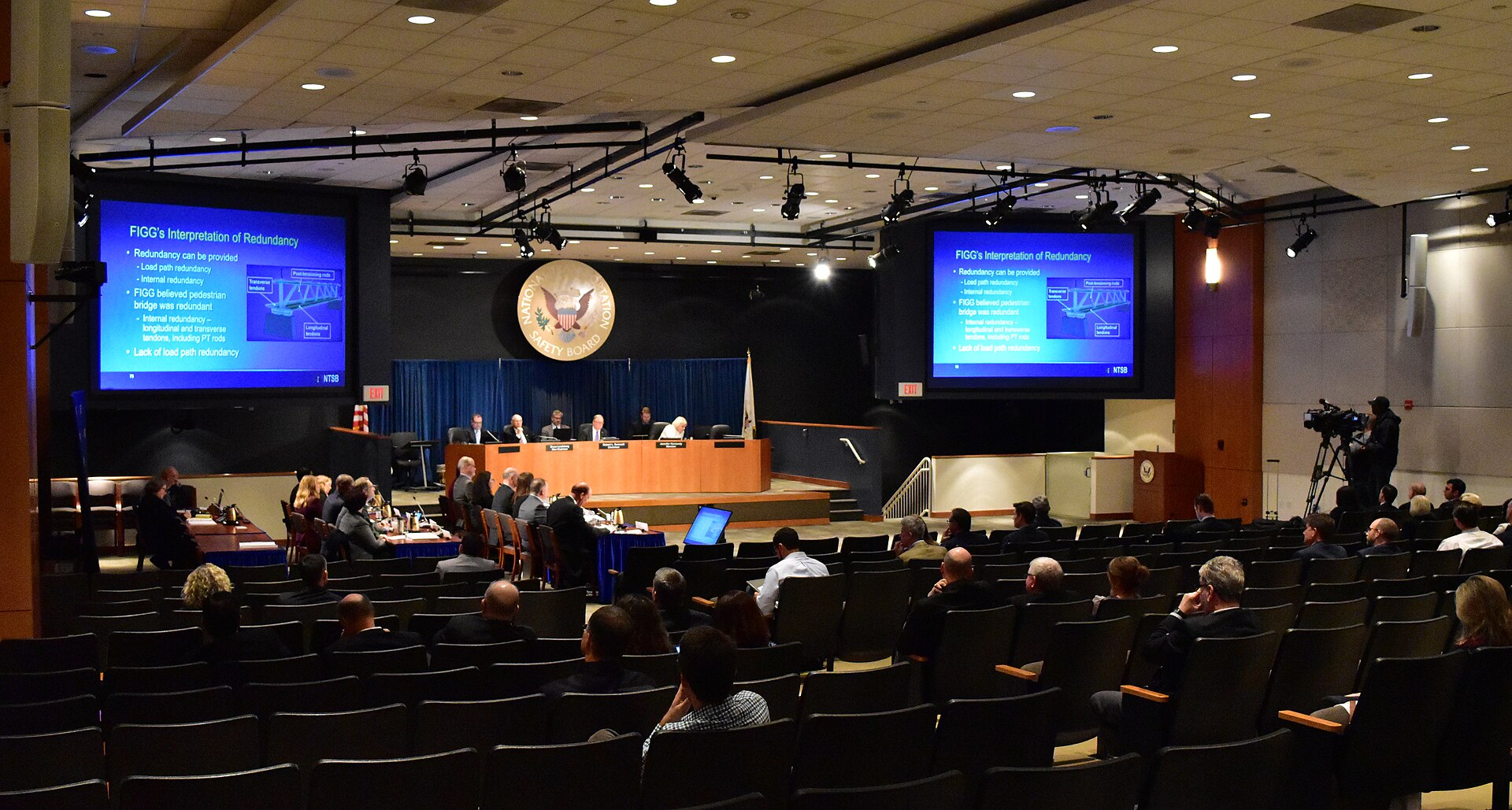
Defence starts with decision ownership, review discipline and a board-readable record.
Where customs, origin, valuation or broker control is diffuse, audit pressure usually exposes governance failure before it proves legal innocence.
| Governance layer | What it protects | Commercial value |
|---|---|---|
| Risk mapping | Identifies where customs, origin, valuation or broker governance can create corporate exposure. | Lets management address high-cost weaknesses before they mature into repeated audit events or preventable disputes. |
| Protocols and segregation | Reduces the room for undocumented judgement, weak approval chains and uncontrolled exception handling. | Creates a more stable operating model and a cleaner defence story if the same issue is later contested. |
| Evidence and supervisory flow | Preserves the record needed to show what was known, who approved what and which controls actually operated. | Improves both legal defensibility and commercial trust by making the governance model easier to explain to auditors, boards and counterparties. |