Technical Compliance
Customs, Origin and Valuation Governance
Classification, origin evidence and valuation logic translated into stronger broker instructions, clearance-ready control and audit resilience.
Why customs data quality cannot be treated as a filing issue
Classification, origin and valuation decisions rarely fail at the moment they are made. They fail later, when the declaration, the broker instruction and the underlying evidence no longer say the same thing.
CSA Nexus helps clients build a stronger customs file around the real decision chain: what the product is, how it is classified, whether preferential origin is supportable, how value has been assembled and which assumptions were accepted or escalated. That is what turns a technical answer into a usable operating model.
This is especially important where customs touches VAT adjacency, commercial commitments, customer promises, group pricing or repeat corridor activity. The role of the page is therefore not just to list topics. It is to show how the customs position is stabilised before the next broker query, amendment cycle or audit request exposes the same weakness again.
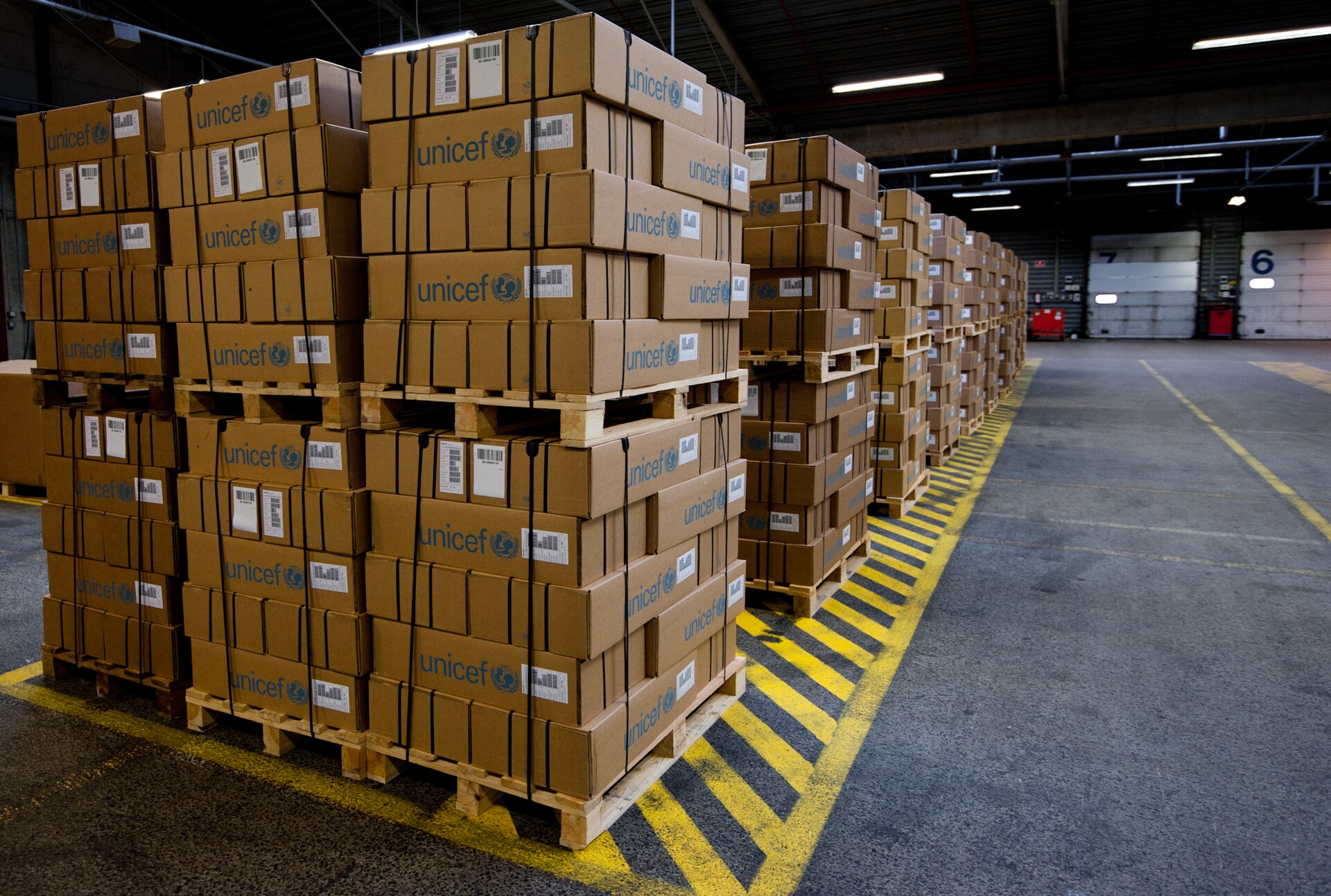
Where the customs file usually breaks.
Classification not tied to product facts, origin claims without a durable evidence model, valuation assumptions not translated into broker instructions, and no usable audit trail.
Core workstreams
The practical objective is to create a customs position that survives repeat use, internal change and later challenge.
Classification discipline
HS and tariff analysis linked to product facts, family consistency, broker instructions and the downstream consequences of getting the code wrong repeatedly.
Origin and preference
Preferential-origin review, supplier evidence, BOM logic and refresh rules where a duty-saving claim must stay defensible over time rather than work only once.
Valuation coherence
Price, assists, royalties, transfer-pricing effects and related-party logic converted into a stable declaration and evidence model instead of remaining trapped in finance language.
Recovered customs engineering blocks
The page now restores the missing legacy frameworks around origin proof, HS methodology, valuation hierarchy and indirect-tax execution without removing the newer advisory narrative.
CTC
Change of Tariff Heading. Technical analysis of the BOM.
RVC
Regional Value Content. Calculation of ex-works vs non-originating materials.
Process
Specific Process Rule (e.g., Chemical Reaction).
Supplier Declarations (LTSD): The weak link in many origin audits remains the collection, validation and refresh of supplier statements behind the preference claim.
We bring that evidence back into the visible service architecture so origin engineering is not presented as rule reading alone.
HS Classification Methodology
We use the General Interpretative Rules (GIR 1-6) to keep product, tariff and broker logic aligned across repeated movements.
Anatomy of an HS Code (Visual Guide)
WTO Valuation & Transfer Pricing
Method 1: Transaction Value
The primary basis. Requires analysis of add-ons, packing and deductions.
Method 2 & 3: Identical/Similar Goods
Used when the transaction is not bona fide or related-party influence needs a comparable benchmark.
Method 4 (Deductive) & 5 (Computed)
Calculated backwards from resale price or built up from production costs. Essential for complex supply chains.
VAT Triangulation (Art. 141)
Managing chain transactions in the EU to prevent multiple VAT registrations. We optimize flows where goods move A -> C while the invoice flows A -> B -> C.
Technical Implementation:
- Invoice B -> C must explicitly state "Reverse Charge - Triangulation Art. 141".
- Proper coding in Intrastat/VIES declarations is mandatory to avoid tax audits.
Evidence package expectations
A defensible customs position normally requires more than a tariff code and an invoice. Depending on the product and route, the file may need product specifications, supplier declarations, BOM traceability, commercial agreements, freight evidence, assists logic, royalty review and a record of which uncertainties were resolved before release and which were escalated.
The client value lies in making that package repeatable. The goal is not just to answer one customs question. It is to make the same product, supplier and transaction logic usable across future movements without rebuilding the analysis from scratch.
Why the governance lens matters
Customs errors rarely stay isolated. They travel into duty, VAT treatment, pricing assumptions, customer communications and later audit positions. That is why the review has to explain not just the answer, but the path to the answer: which sources were used, which assumptions were accepted and where the business still needs stronger control before scaling the same position.
A stronger customs file therefore improves both technical defensibility and operating clarity. It reduces repeated broker friction, last-minute escalations and the silent drift that occurs when different teams are applying different versions of the same product story.
Why it matters
Classification, origin and valuation weaknesses quietly compound into repeat broker queries, amendments, avoidable duties and weak audit answers.
Operational implication
The remedy is rarely one code fix. It is a stronger evidence chain, better instruction discipline and a more durable decision record for recurring movements.
What clients should expect
Clearer product treatment, stronger origin support, better valuation alignment and a customs file that remains usable beyond the day of release.
How this mandate is usually engaged
Customs, origin and valuation work may start as a bounded diagnostic, scale into a defined remediation project or become retained support where the same product families, suppliers or corridor issues keep returning.
Where CIESSE can strengthen delivery
The technical perimeter is shared across the CSA Nexus and CIESSE system. Where Italy/EU-side material customs-formality execution matters, CIESSE can carry the file into live execution without splitting the analytical logic from the operating reality.
Technical architecture in practice
Customs outcomes depend on upstream decisions that are often undocumented: which HS logic applies, how origin is evidenced, which value elements are added, and who owns the final call when data is incomplete. Our Customs & Tax workstream makes those decisions explicit and operational. We build a controlled data model for HS, origin and valuation, define mandatory data fields and stop/go checks, and align broker instruction packs with ERP master data so the same transaction is declared consistently across sites and months.
Where preferential origin or simplifications are in scope, we design the evidence pack and governance cadence that keeps claims defensible under verification. The objective is not theoretical compliance: it is predictable clearance, fewer amendments, and faster, calmer responses to authority queries.
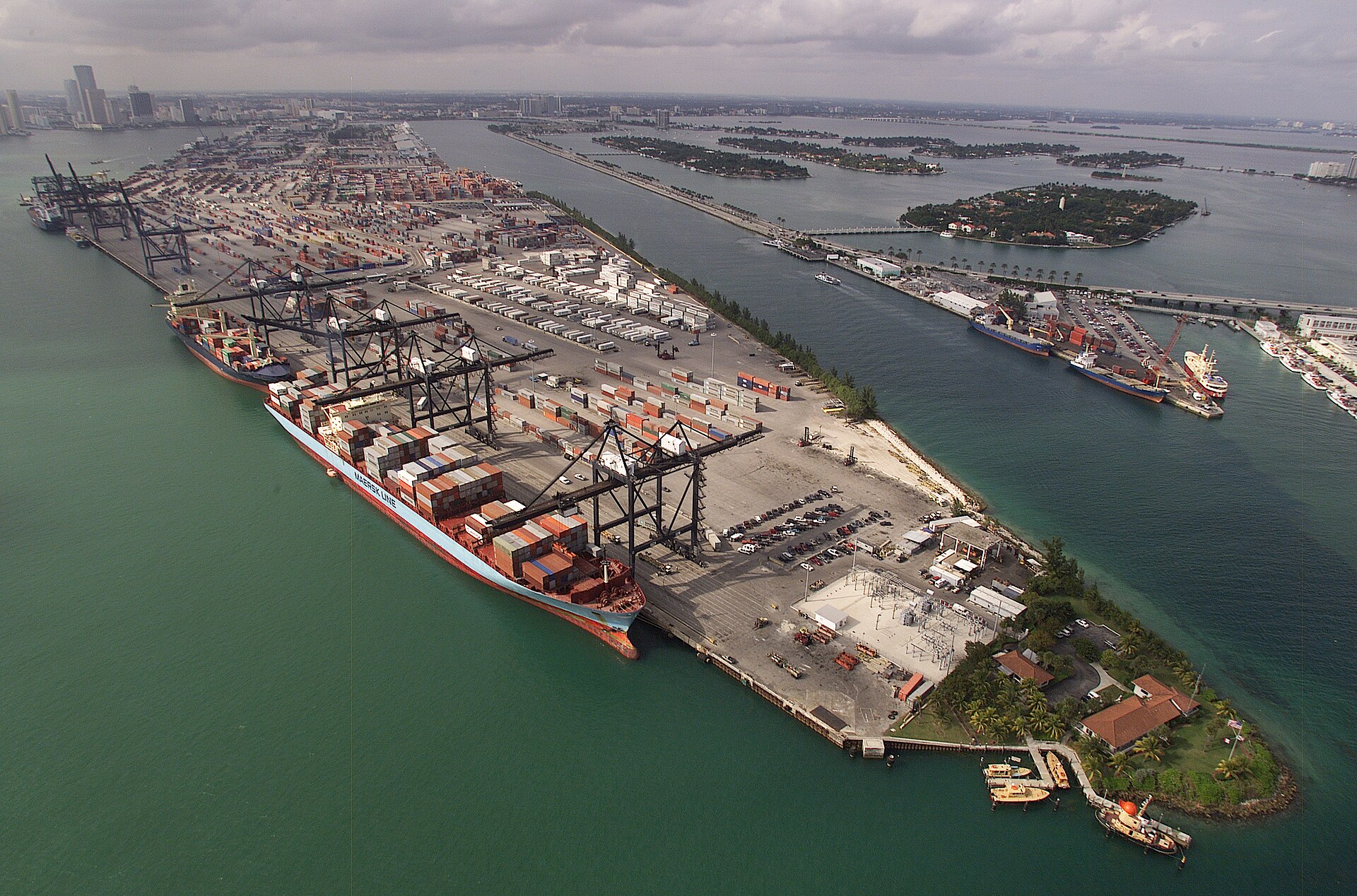
Classification and origin matter because they reshape real release outcomes.
The page now leads with photographic operating context and keeps the technical diagrams as supporting content rather than dominant visuals.
Origin and value become costly when the evidence pack is weaker than the movement itself.
The image system reinforces that this is a trade-governance mandate, not only a paper review.
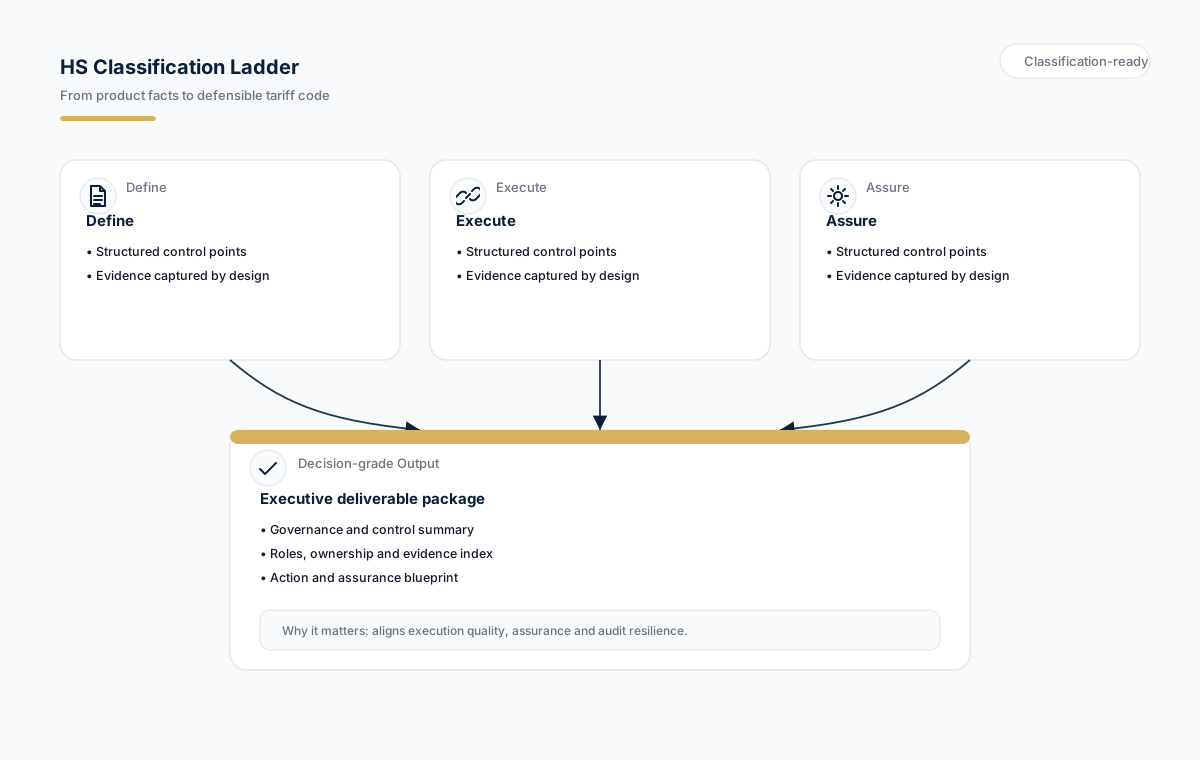
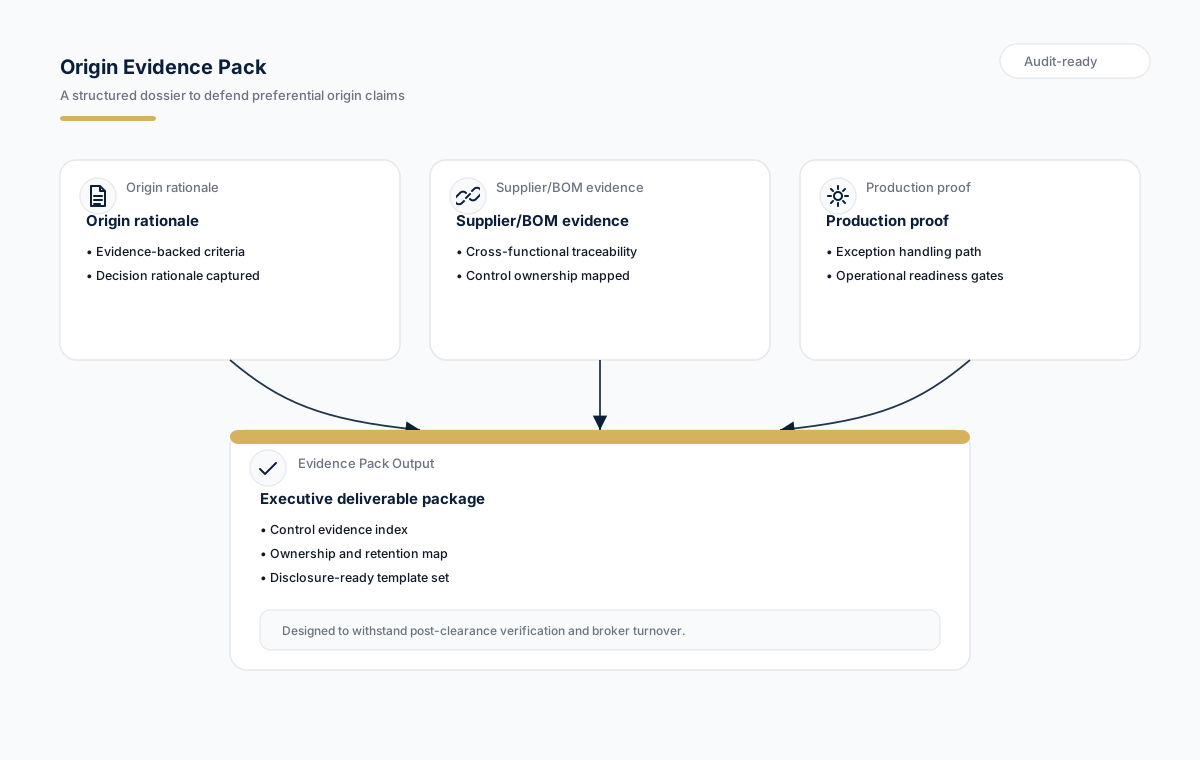
| Technical layer | Typical weakness | Client-facing value |
|---|---|---|
| HS and tariff classification | Product descriptions are reused inconsistently, broker instructions drift and related product families stop being treated under one defendable logic. | A stronger classification ladder improves broker discipline, reduces repeat queries and gives the business a more stable customs narrative across recurring movements. |
| Origin and BOM traceability | Preference claims are made without a durable evidence model, refresh logic or visibility on how BOM, supplier statements and route assumptions interact. | The origin position becomes more repeatable, more explainable and less exposed to late challenge when duty-saving or corridor design depends on it. |
| Valuation and TP adjacency | Customs value is treated separately from related-party pricing, royalties, assists or later finance adjustments that materially change the declaration story. | The customs file becomes easier to defend against amendment cycles, audit pressure and repeated mismatch between finance language and customs execution. |
| Customs-accounting alignment | Import VAT, customs debt, evidence retention and post-entry correction paths are not translated clearly across customs, finance and operational teams. | Clients gain a cleaner bridge between border execution, accounting treatment and later audit questions instead of solving the same issue repeatedly in different teams. |
Need to stabilise classification, origin or valuation before they generate repeated border friction?
We scope the work around the real customs decision chain, the supporting evidence and the broker instructions that have to hold under repeat use.
Why this capability matters commercially
A stable customs file improves more than customs outcomes. It supports margin protection, cleaner broker management, stronger supplier alignment, fewer repeat amendments and better confidence when the same product family is moved again.
Where the technical depth comes from
The public statement is backed by deeper work on HS logic, origin engineering, FTA landscapes, valuation, BOM traceability and broker-governance methodology. The site translates that depth into a client-readable mandate starting point.